
Trouble concentrating, finding words, or keeping up with a conversation is one of the most common reasons people come to a neurologist, and it is rarely one thing. The useful question is not whether something is wrong with your brain. It is which of a fairly short list of causes is affecting you, because most of that list can be found, and much of it can be treated.
What counts as a cognitive symptom
People describe these problems in everyday language. Naming them precisely is the first step, because different patterns point to different causes.
| What you notice | What it is called |
|---|---|
| Drifting off mid-task, easily distracted, cannot sustain focus | Attention |
| Thinking feels slow and effortful, you need things repeated | Processing speed |
| Planning, prioritizing, and starting things has become hard | Executive function |
| Reaching for a word you know and not finding it | Language |
| Recent conversations and events do not stick | Memory |
| Cloudiness and mental fatigue, several of the above together | Brain fog |
Occasional forgetfulness or a bad week of focus is normal. Symptoms that last weeks, get worse, or interfere with work and daily life are worth evaluating.
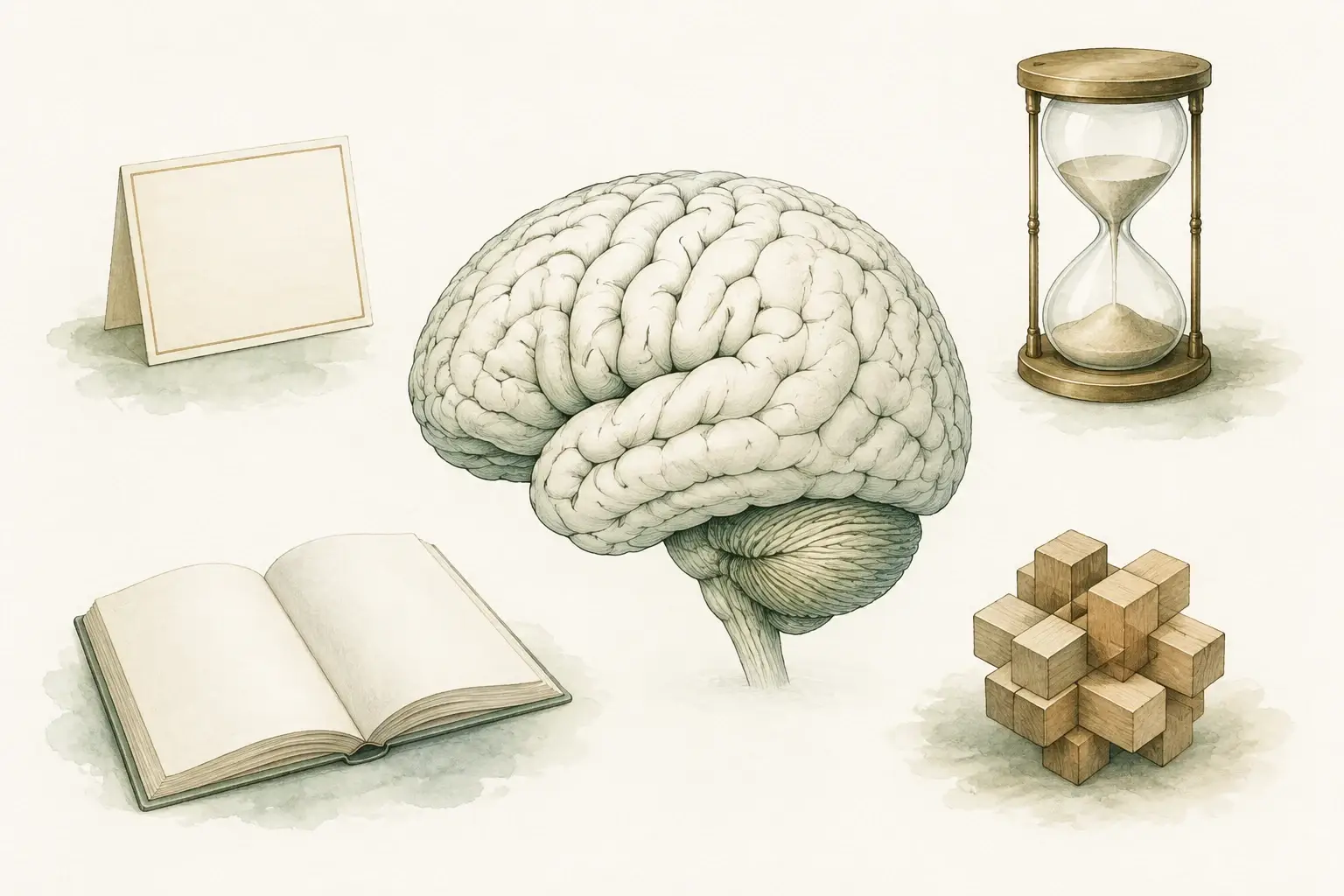
Different parts of thinking
- Attention: Staying focused and following information may be harder.
- Processing: Thinking or responding may feel slower.
- Planning: Organizing tasks and finding words can take more effort.
Cognitive impairment, cognitive decline, or dementia?
These words are used interchangeably online, and they are not the same thing. Cognitive symptoms are what you notice. Cognitive impairment means testing shows a measurable drop in one or more abilities. Mild cognitive impairment is a defined stage in which that drop is real but daily life still runs without help; some people with it go on to develop dementia, and a good number stay stable or improve once a treatable cause is found. Dementia means the decline has become severe enough to interfere with independence.
So cognitive decline is not the same as dementia. It is a direction of travel, and finding out what is driving it is the point of the evaluation.
Mild cognitive impairment: what the diagnosis means
Being told you have mild cognitive impairment, or MCI, can sound like the first step toward dementia. It is a measurement, not a verdict: testing shows a real drop in one or more thinking abilities, while you still run your daily life without help.
How it is measured. Your scores are compared with people of your age and education, because the same score can be normal for one person and low for another. Here that measurement starts with a 60-minute cognitive test you take at home, read alongside the examination. The pattern matters as much as the score: when short-term memory loss leads, the likely causes differ from those behind slowed attention or planning.
What changes the outlook. Treatable contributors change it most: broken sleep or sleep apnea, low mood, a sedating medication, a thyroid or vitamin B12 problem. When one of them is found and treated, thinking often holds steady or improves. When none is found, repeat testing shows over time which way it is heading.
What to do now.
- Treat what can be treated: sleep, mood, hearing and blood pressure.
- Repeat the testing in about a year, so change is measured rather than guessed.
- Order blood tests for Alzheimer's disease markers only when the result would change the plan.
What causes cognitive symptoms?
| Cause | What points to it |
|---|---|
| Sleep apnea and other sleep disorders | Snoring, waking unrefreshed, daytime sleepiness. The most common reversible cause we find |
| Medications and supplements | Sedatives, sleep aids, some bladder and allergy medications, opioids. Symptoms that track a new prescription |
| Thyroid disease, low vitamin B12, metabolic problems | Found on blood tests, often with symptoms elsewhere in the body |
| Depression, anxiety, sustained stress | Attention goes first, and what is not attended to is not remembered. Looks like early dementia and improves with treatment |
| Post-viral illness: long COVID, ME/CFS | Began after an infection, travels with fatigue and autonomic symptoms, worse after exertion |
| Neuroinflammation and autoimmune conditions | Other neurological symptoms, an abnormal MRI, or a known autoimmune diagnosis |
| Neurological disease: MS, migraine, white matter changes, past concussion | Cognitive symptoms arriving alongside the underlying condition (see how MS affects thinking) |
| Neurodegenerative disease | Slow progression over years, memory usually affected first, often noticed by family before the patient |
Attention and organization problems that have been there since childhood are a different question, and our adult ADHD page covers that pattern. More often than not, two or three rows of this table are true at once, which is why treating only one of them gives a partial result.
How we find the cause
The first visit is 60 minutes, and most of the answer comes from it. We go through when the symptoms started, how they have changed, and what they stop you doing, along with sleep, mood, alcohol, and every medication and supplement. Bring the medication list, and bring someone who has noticed the changes if you can. Then a neurological examination and cognitive screening in the room.
Testing follows only where it will change something.
| Test | What it answers |
|---|---|
| Blood work | Thyroid, vitamin B12, metabolic and inflammatory markers |
| Brain MRI | Structure: white matter changes, prior strokes, other findings |
| Home sleep study | Whether sleep apnea is breaking up your nights |
| Neuropsychological testing | Which domains are affected, how severely, and what pattern it fits |
| Autoimmune and inflammatory studies | Whether an immune process is driving it |
Treatment follows the cause: correcting a deficiency, changing a medication, treating sleep apnea or mood, managing the underlying neurological condition, and cognitive rehabilitation where it helps. Alongside that, the habits with real evidence behind them are the ordinary ones, and our article on keeping your brain healthy sets them out.

From symptoms to an explanation
- History: The pattern and effect on daily life are explored.
- Examination: Cognitive and neurological findings add evidence.
- Testing: Blood work, imaging, or formal testing is chosen when useful.
When to see a neurologist
- Fog or difficulty thinking that has lasted more than a few weeks
- Symptoms that are getting worse rather than staying level
- Difficulty with tasks that used to be automatic
- Cognitive symptoms after an infection, a head injury, or a new diagnosis
- Family or colleagues raising it before you did
If the DMV has requested a medical evaluation because of cognitive concerns, we also perform DMV driver evaluations.
Sudden confusion is an emergency
Confusion, trouble speaking, or a change in thinking that starts suddenly, especially with weakness, numbness, a severe headache, or a seizure, can be a stroke or another acute problem. Call 911 or go to the nearest emergency department.
What a visit here involves
Dr. Achillefs Ntranos, MD is a board-certified neurologist with fellowship training in multiple sclerosis and postdoctoral research in neuroimmunology, which is why inflammatory and immune causes get a proper look here alongside the usual list. When words will not come, the useful question is which of a few common causes is behind it. He sees every patient himself, for a 60-minute first visit in Beverly Hills or Los Angeles or by video anywhere in California. Cognitive testing is a computerized battery you complete from home and we review with you; when a full evaluation by a clinical neuropsychologist is needed, we arrange it and go through the report together. Follow-ups are usually every one to three months and last 30 minutes, and messages between visits are answered within 1 business day. Request a visit without a referral; the office confirms within 1 business day.