
If you have multiple sclerosis and you keep blanking on words, losing your train of thought mid-sentence, or needing a beat longer to answer a question, you are in good company. Brain fog is one of the most common MS symptoms, and one of the least visible. Nobody can see it on your face, which makes it lonely as well as frustrating.
Two things make it more manageable than it feels. It has a clear biological explanation, and it can be measured. Once you know which part of your thinking is affected and what is making it worse on a given week, there is a lot you can do about it.
If you do not have MS, start with what causes brain fog instead.
What MS brain fog is
Brain fog is the everyday term for a cluster of cognitive symptoms: slower thinking, trouble holding onto information, difficulty concentrating, and a general sense that your brain needs extra time to keep up. Your neurologist may call it cognitive impairment or cognitive dysfunction. The experience is the same.
Around half of people with MS have measurable cognitive changes at some point. They can appear at any stage, sometimes before the diagnosis, and they do not track neatly with physical disability: people who walk perfectly well can have significant brain fog, and vice versa. Most importantly, brain fog is not fixed. It fluctuates with fatigue, sleep, stress, heat, and mood, and many people see real improvement when those are addressed.
Why it happens
In MS, the immune system damages myelin, the insulating coating around nerve fibers, through neuroinflammation. Myelin is what lets signals move quickly between brain regions. When demyelination and white matter lesions disrupt those pathways, the brain has to work harder to get the same job done. That extra effort is what brain fog feels like: less a loss of ability than a loss of speed.
How much brain fog a person experiences depends on several things.
- Where the lesions are. Lesions in the frontal lobes, the thalamus, and the connections between them affect thinking more than lesions elsewhere. Your brain MRI can sometimes explain why specific tasks have become harder.
- Overall lesion load and brain volume. More damage generally means more disruption, though the relationship is loose. Some people with many lesions think clearly; some with few are quite affected.
- Ongoing inflammation. Low-level inflammation that never produces a relapse can still affect cognition.
- Everything else. Fatigue, poor sleep, depression, anxiety, pain, and some medications all worsen the brain fog, and these are often the most treatable part.
The cognitive domains MS affects
MS does not affect all thinking equally. Knowing which domain is involved helps target the right strategies.
Processing speed is the most commonly affected. It is how quickly your brain takes in, makes sense of, and responds to information. When it slows, conversations feel fast, decisions take longer, and tasks that used to be automatic need attention.
Memory in MS is usually a retrieval problem, not a storage problem. The information is in there; it takes more effort or a cue to reach it.
Executive function covers planning, organizing, prioritizing, and switching between tasks. Many people with MS handle one thing at a time perfectly well and struggle when three things arrive at once.
Word-finding is the most noticeable in conversation. You know the word. You can feel its shape. It will not come.
Attention for long stretches takes more energy than it did. Re-reading the same paragraph, losing the thread of a meeting, or zoning out is not lack of interest; it is the cost of sustained focus going up.
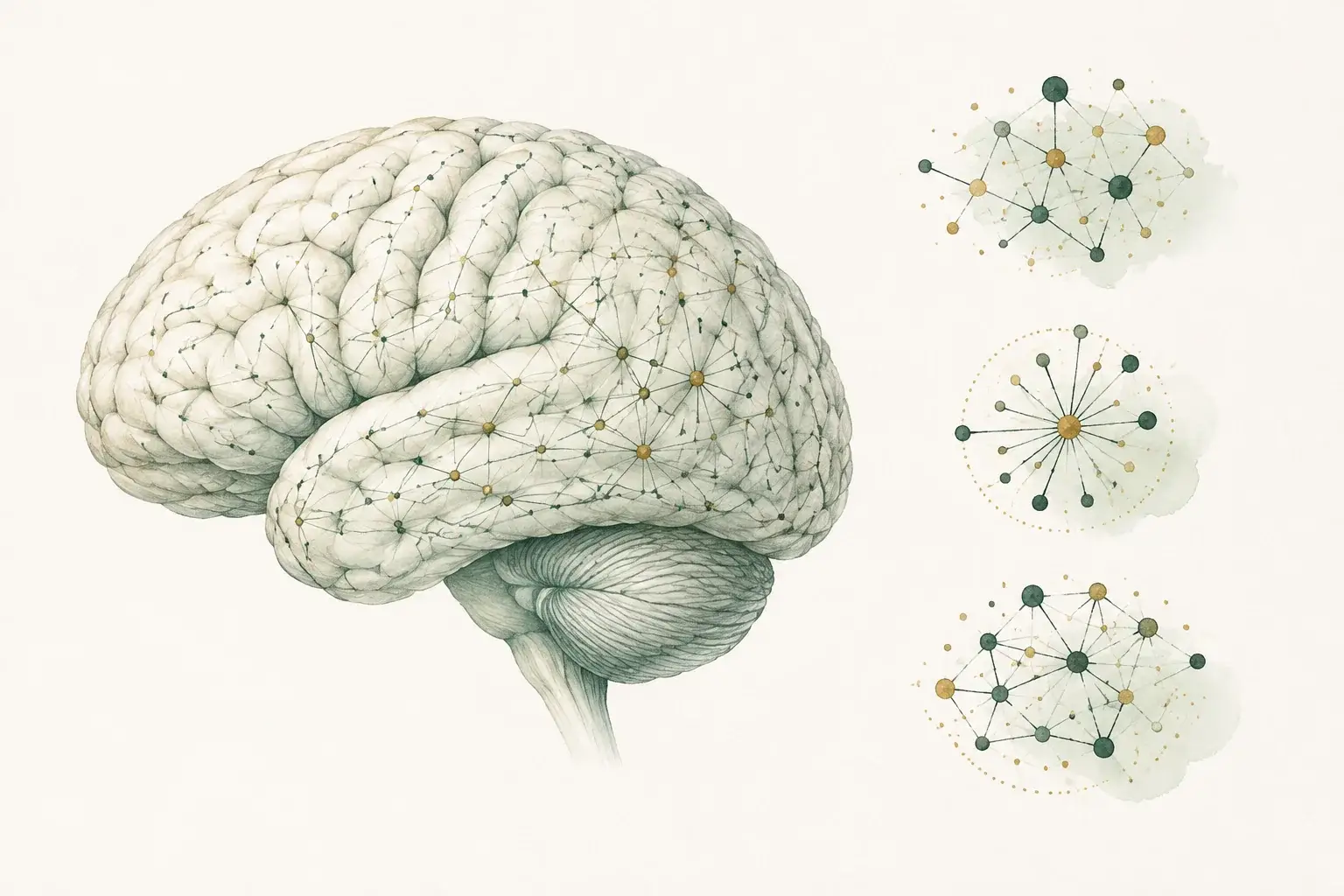
Thinking can be affected in different ways
- Processing speed: You may need more time to take in information or respond.
- Attention: Concentrating or keeping several things in mind may be harder.
- Memory and words: Remembering information and finding the right word can be affected.
MS and memory loss
If you blank on a name mid-conversation and it surfaces an hour later, or you recognize the right answer the moment you see it, that is the retrieval pattern typical of MS. It is very different from Alzheimer's disease, where new memories are not stored in the first place.
That difference is why notes and cues work so well in MS. A calendar alert, a list, or the first letter of a word gives the brain the prompt it needs to reach what it already holds, and writing things down as they come up saves the effort of searching later.
Memory loss is probably not MS when it looks like the storage pattern instead: forgetting whole recent conversations or events, asking the same questions again and again, or getting lost in familiar places, or when it is the only symptom. Those call for a broader look at other causes of memory loss, from thyroid problems, low vitamin B12 and sleep apnea to medications and dementia.
MS brain fog vs normal forgetfulness
Everyone forgets where they parked. The question is when cognitive change is MS and when it is life. A few features point toward MS-related brain fog.
| Feature | Ordinary forgetfulness | MS brain fog |
|---|---|---|
| Pattern | Occasional, random | Consistent, with a recognizable shape |
| Processing speed | Normal | Noticeably slower; more effort for the same task |
| Fatigue | Mild effect | Dramatically worse when tired or overheated |
| Word-finding | Occasional tip-of-the-tongue | Frequent, sometimes mid-sentence |
| Multitasking | Manageable | Much harder than it used to be |
| Timing | Gradual with age | May coincide with diagnosis, a relapse, or a bad stretch of sleep |
If you recognize the right-hand column, say so at your next appointment. People are usually accurate judges of their own cognitive change, and a report of "things feel different" is taken seriously.
Does MS brain fog come and go? How long it lasts
For most people it comes and goes, and how long it lasts depends on what is driving it. Four patterns are common.
- Day-to-day ups and downs. Fog that thickens with fatigue, a poor night's sleep, stress or heat, and lifts with rest and cooling. This is the most common pattern, and it often changes within hours or days.
- Fog around a relapse. Thinking can slow during a relapse, usually alongside other new symptoms, and often improves over the following weeks to months as the relapse settles.
- Fog with an infection. A urinary infection, flu or a fever can bring back old symptoms, including slower thinking, for a few days. This is a pseudo-relapse, not new damage, and it clears as the infection is treated.
- A slow, steady change. Thinking that has gradually slowed over months or years, without a clear trigger, is the pattern worth measuring. A baseline test and a repeat later show whether the change is real and how fast it is moving.
Even when some change is lasting, the share driven by sleep, mood, fatigue and heat can still improve.
How cognitive function is tested
Because brain fog is invisible, measuring it changes the conversation. These are the tests used in MS, from a quick screen to a full evaluation.
| Test | Time | What it measures | When it is used |
|---|---|---|---|
| SDMT (Symbol Digit Modalities Test) | A few minutes | Mainly processing speed | Screening at a routine visit and following change year to year; a meaningful change for one person is about 8 points, not a point or two |
| BICAMS (Brief International Cognitive Assessment for MS) | About 15 minutes | The SDMT plus short tests of verbal and visual memory | A fuller picture when screening raises a question |
| Creyos, at home | About 60 minutes | Memory, attention, reasoning, planning and processing speed, with questionnaires on mood, anxiety and sleep | Our baseline test, repeated yearly, taken on your own computer |
| Full neuropsychological evaluation | Several hours | Every cognitive domain, language and mood, in depth | When symptoms affect work or study, the cause is unclear, or documentation for accommodations is needed |
A full evaluation with a neuropsychologist produces a detailed profile of strengths and weaknesses, separates MS-related change from depression or other causes, and sets a baseline for the future. Our own cognitive testing is the 60-minute Creyos assessment taken at home, and we refer you for the full evaluation when it would change the plan. Which level you need depends on the question, and a baseline SDMT is useful for almost everyone with MS.
Do MS medications help brain fog?
Partly, and in a specific way. Disease-modifying therapies protect cognition by preventing new lesions and slowing brain volume loss, and there is evidence that highly effective therapy started early preserves cognition better over the long term. What they do not do is lift existing brain fog directly. If you are on a good therapy and your thinking still feels slow, that does not mean the medication is failing. It means the other contributors need attention.
That said, brain fog that is clearly worsening despite treatment is worth reporting, because it can be a sign of ongoing disease activity. Your neurologist can check with an MRI, the neurofilament light chain blood test, and repeat cognitive testing whether the current therapy is doing enough. No medication is approved specifically for MS cognitive symptoms. The treatments that reliably help fatigue and fog are the ones described next.
MS brain fog tips: what helps day to day
There is no single pill for brain fog. The combination below is what works, and most people find that two or three of these make a bigger difference than they expected.
Fix sleep first
Poor sleep is the most common and most fixable cause of a bad cognitive week. Sleep apnea, restless legs, insomnia, and nighttime bladder trips are all more common in MS and all treatable. If you never wake up refreshed, that is a medical question, not a character flaw.
Treat mood and fatigue
Depression and anxiety are common in MS and mimic cognitive impairment almost exactly. Treating them often clears more fog than anything else. MS fatigue and brain fog travel together, so energy conservation, planned rest, and, when appropriate, fatigue medication help thinking as well.
Move
Regular aerobic exercise is among the best-supported strategies for cognition in MS. It improves blood flow to the brain, supports the growth factors that maintain nerve cells, reduces inflammation, and improves sleep and mood. Brisk walking, swimming, or cycling several times a week is enough to matter. Our guide to lifestyle changes for brain health in MS goes further.
Cognitive rehabilitation
Structured cognitive rehabilitation, usually with a neuropsychologist, occupational therapist, or speech-language pathologist, combines exercises that train processing speed and working memory with strategy training you can use immediately: spaced repetition for memory, self-checking for attention, step-by-step planning for complex tasks. Studies in MS show gains in processing speed, memory, and daily functioning that persist after the program ends.
Practical strategies
- One place for everything. A single notebook or app for appointments, tasks, and thoughts. If it matters, capture it now.
- Routines. Keys in the same spot, medications at the same time. The more that runs on autopilot, the more energy is left for thinking.
- One thing at a time. Close the extra tabs, silence notifications, finish the task, then start the next.
- Best work at your best time. For most people with MS that is the morning, before fatigue arrives. Schedule the hard things then.
- Cool down. Heat slows nerve conduction. Air conditioning, a cool shower, or a cooling vest can sharpen thinking on a hot day.
- Use the tools. Reminders, voice memos, GPS, shared calendars. Everyone uses them; you are just using them on purpose.
- Say it out loud. Telling colleagues or family that you need a moment, or a written version of something, removes the pressure that makes word-finding worse.

Reduce the load on your attention
- Capture information: Use one notebook or app for tasks, appointments, and reminders.
- Build routines: Keep essentials in the same place and focus on one task at a time.
- Protect rest: Discuss unrefreshing sleep, mood changes, and fatigue with your care team.
When to talk to your neurologist about brain fog
You do not need to wait until it is a crisis. It is especially worth raising if:
- Cognitive symptoms are affecting your work or daily responsibilities
- Thinking or memory has worsened suddenly, which can signal a relapse
- Brain fog is new or clearly different from your usual baseline
- You are unsure whether it is MS or something else, such as a medication effect, thyroid problem, sleep disorder, or depression
- You would like a baseline measurement to track over time
Confusion, trouble speaking, or weakness that comes on within minutes is different: call 911.
Brain fog is invisible, so "things feel different" is reason enough to raise it. A multiple sclerosis evaluation can include cognitive screening, and in a 60-minute first visit, Dr. Achillefs Ntranos works through what is weighing on your thinking, so you leave with a plan for the parts that can be treated. Follow-ups are usually every one to three months and last 30 to 45 minutes, and messages between visits are answered within 1 business day. Request a visit in Beverly Hills or Los Angeles, or by video anywhere in California. No referral is needed, and the office confirms within 1 business day.
Frequently asked questions
References
- National Multiple Sclerosis Society. Cognitive changes.
- Benedict RHB, et al. Cognitive impairment in multiple sclerosis: clinical management, MRI, and therapeutic avenues. The Lancet Neurology, 2020.
- Kalb R, et al. Recommendations for cognitive screening and management in multiple sclerosis care. Multiple Sclerosis Journal, 2018.
- MS Society UK. Memory and thinking.
- Weinstock Z, et al. Interpreting change on the Symbol Digit Modalities Test in people with relapsing multiple sclerosis using the reliable change methodology. Multiple Sclerosis Journal, 2021.
- Meca-Lallana V, et al. Cognitive impairment in multiple sclerosis: diagnosis and monitoring. Neurological Sciences, 2021.
- Costers L, et al. Does including the full CVLT-II and BVMT-R improve BICAMS? Evidence from a Belgian (Dutch) validation study. Multiple Sclerosis and Related Disorders, 2017.
- Cleveland Clinic Mellen Center. Identifying and managing cognitive disorders in MS.